Understanding Katy’s Annual Water Quality Report: What the Numbers Mean for Your Home’s Plumbing | Water Softener Katy TX
Katy’s annual Consumer Confidence Report arrives each year with pages of numbers. If you own a home in Katy, TX, those figures explain what flows through your pipes and what it does to your water heater, fixtures, and appliances. This guide breaks down the most important metrics and shows where a water softener Katy, TX families rely on can help protect your plumbing.
As local water treatment professionals, Dreamland Water reads these reports line by line. While the city’s water is treated and monitored, everyday issues like hardness minerals and disinfectant byproducts can still impact comfort, taste, and long-term plumbing health. If you want a quick overview of softening options, you can explore our water softener solutions and see how they pair with whole house filtration for better water throughout your home.
How To Read Katy’s Water Quality Report Without The Jargon
The report lists regulated and unregulated items, plus basic water characteristics. Here are the sections most homeowners ask about and what they generally mean for a house in neighborhoods like Cinco Ranch, Grand Lakes, Cane Island, and Old Katy.
- Total chlorine or chloramine residual: Disinfectant that keeps water safe on its way to your tap. The federal limit is set as a maximum running annual average called MRDL, typically 4.0 mg/L. Higher taste and odor often show up long before that limit.
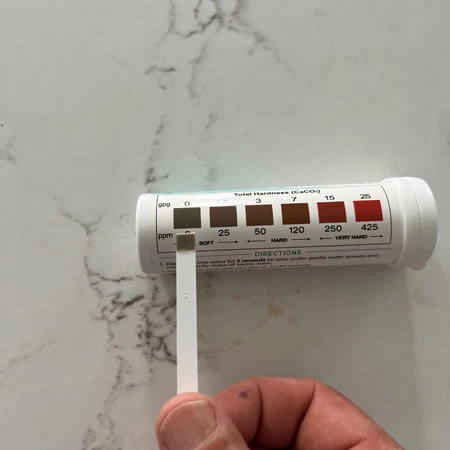
- Hardness in grains per gallon: Calcium and magnesium that leave scale. One grain per gallon equals 17.1 mg/L. Texas supplies often test in the hard to very hard range, which speeds up scale on fixtures and heaters.
- TDS (total dissolved solids): All dissolved minerals and salts. Higher TDS can mean more spotting on glass and dishes.
- pH and alkalinity: These influence how water interacts with metals and plumbing. Near-neutral pH is typical for municipal water.
- TTHMs and HAA5: Disinfection byproducts that form when chlorine reacts with natural organics. The legal limits are 80 µg/L for TTHMs and 60 µg/L for HAA5 as running annual averages.
- Lead and copper: Reported under a special sampling rule. Action levels are 15 ppb for lead and 1.3 mg/L for copper; these are not health-based MCLs but triggers for system actions.
- Sodium, nitrate, turbidity, and other basics: Useful context for people on low-sodium plans or tracking taste and clarity.
You do not need to memorize limits. Focus on how the numbers affect life at home: taste, odor, mineral scale, and the stress placed on plumbing and appliances.
What Those Numbers Mean For Your Plumbing And Appliances
Hardness is the quiet troublemaker. Even when the report says water meets federal health standards, hardness minerals still build scale. Over months in Katy’s hot summers, scale bakes onto water heater elements and heat exchangers. That can make heaters run longer and noisier. Faucets in areas like Firethorne or Seven Lakes may show white crust on aerators and shower doors spot faster.
Chlorine keeps water safe but can leave a pool-like taste, especially during warm periods or when lines run long to the outer edges near Katy Hockley. Long exposure can be rough on rubber parts inside toilets and appliances. If the report shows higher system averages of disinfectant byproducts, that can point to seasons when organic material in source water was higher. You still get compliant water, yet taste and byproducts can trend up and down through the year.
Hard water is not a health risk, but it is a plumbing risk. That is why softening is a home comfort upgrade and a maintenance strategy at the same time.
Why A Water Softener Katy TX Homeowners Trust Matters
Softening removes hardness minerals that cause scale. The result is smoother showers, brighter laundry, and less spotting on glassware. More important, it slows the crust that forms inside water heaters and around fixtures. Homes in Katy that install a high-efficiency system often notice stable water pressure and fewer service calls for scale-related issues.
If your report lists hardness in grains per gallon, that number helps size equipment. Very hard water calls for more capacity so regeneration stays efficient. For details on sizing and media, see our overview of water softener options built for Katy’s climate and water profile.
Many families also want better taste. Pairing softening with a whole house carbon filter reduces chlorine smell at every tap. With Dreamland Water custom filtration, you can target the mix of concerns in your home, from hardness minerals to strong disinfectant taste, without over-treating.
Chlorine, Taste, And Whole House Water Filtration
Municipal systems use chlorine or chloramine to protect public health. That is normal and necessary. Yet chlorine reacts with compounds in source water to form byproducts like TTHMs and HAA5, which are tracked as running annual averages. Even well below legal limits, many homeowners prefer lower taste and odor for showers, cooking, and coffee.
A whole house carbon filter upstream of your softener can reduce disinfectant taste and protect softener resin from oxidants. This approach helps fixtures last and makes the water feel smoother, especially during late-summer heat when demand peaks across Katy and water may spend longer in the lines. If chlorine taste bothers you, ask about pairing filtration with softening for a balanced system.
Understanding TTHMs, HAA5, And Seasonal Swings
Total trihalomethanes and haloacetic acids are measured because they can increase risk with long-term exposure at high levels. Reports show the highest location running annual average as well as a system-wide average. Numbers often rise in warmer months because heat speeds up reactions between chlorine and natural organics. If your block sits at the end of a long main or a cul-de-sac near Katy Mills, water can spend extra time in pipes, which may nudge taste and byproducts up seasonally.
High TTHMs above the legal limit require system action, but even moderate levels can motivate homeowners to improve in-home filtration. Carbon filtration is the common first step because it adsorbs many chlorinated compounds and improves taste, while softening handles minerals that form scale.
Hard Water Minerals And Scale Buildup In Texas Pipes
Calcium and magnesium form crystals when water is heated or evaporates. That is why you see crust on shower doors and kettle elements. Scale layers inside tanked and tankless heaters act like insulation that blocks heat transfer. The heater works harder to deliver the same hot water, and warranty claims for scale are common in very hard areas across Texas.
Look around your home for these signs:
- White or chalky spotting on fixtures and glass, especially after a hot shower.
- Rough-feeling laundry and soap that will not lather well.
- Kettles or coffee makers that need frequent descaling.
- Reduced hot water flow from tankless units during peak use.
Softening stops new scale by taking hardness minerals out before they hit your heater and fixtures. If you already have heavy buildup, a professional cleaning may be needed before installing new equipment to reset the clock.
Katy’s heat accelerates scale formation. A softener paired with carbon filtration protects plumbing during long, hot summers when demand is highest and taste can be strongest. Installing before peak season helps you lock in performance for the year.
From Report Numbers To A Comfortable Home
Here is a simple way to connect the report to everyday life, without getting overwhelmed by charts:
1) Start with hardness. The hardness number in grains per gallon predicts scale. That single metric often decides whether a softener should be part of your plan.
2) Check disinfectant and byproducts. If chlorine taste is noticeable or if TTHM and HAA5 readings trend higher seasonally, a whole house carbon filter can smooth out flavor and reduce byproducts entering your home.
3) Consider the big picture. Families near major growth corridors like the Grand Parkway often see seasonal shifts in water demand. An integrated setup with softening and filtration keeps taste and comfort consistent even when the system is working hardest.
For a deeper dive into terms like “grains per gallon,” “MRDL,” and “running annual average,” browse our recent articles in the water treatment tips section. We explain how to read charts without chemistry classes and share examples from across Katy’s neighborhoods.
How Dreamland Water Builds A System Around Your Water
Every home is different. Some homes in Old Katy have vintage plumbing where gentle flow and lower scale matter most. Newer builds in Cane Island and Elyson may focus on protecting tankless heaters and glass shower enclosures. Our team sizes equipment based on hardness, household size, and desired maintenance intervals so the system works quietly in the background.
We start by reviewing your latest report and any concerns like dry skin or spotting. Then we recommend the right resin capacity, valve programming, and pre-filtration if chlorine taste is strong. With Dreamland Water custom filtration, you avoid one-size-fits-all gear and get a setup that fits Katy’s climate and your daily routine.
If you are just getting started with water softener Katy, TX research, our homepage lays out the basics and points you to the right next step.
Real-World Examples: What Homeowners Notice First
Many Katy homeowners call about taste and spotting at the same time. A family near Cinco Ranch might say coffee tastes sharp and the dishwasher leaves a haze on glasses. After installing carbon filtration and softening, they usually report cleaner flavor, faster lather in the shower, and glass that dries clear. Another homeowner off I-10 may complain of noisy hot water. Post-softening, heater noise drops because fresh scale no longer grows on the elements.
These are comfort upgrades you can feel and see. They are also quiet protection for your plumbing investment. Removing hardness slows wear on valves, cartridges, and heaters, which helps your home run smoothly year after year.
What To Watch In The 2026 Report
As you read the 2026 report, scan for hardness, chlorine or chloramine residual, TTHMs, HAA5, and any notes about seasonal sampling. If the numbers look higher during late summer, that is common. The fix at home is steady: reduce disinfectant taste with carbon and remove hardness minerals with softening so your piping and fixtures do not collect scale.
If you want a plain-English walkthrough of your printed report, our team is happy to review the pages with you and explain exactly how they relate to your house and lifestyle. We will also note anything that suggests pairing softening with filtration for the best outcome in Katy’s heat and humidity.
See Your Options And Get Local Help
To compare systems and filtration pairings, visit our services page for a full view of what we install and maintain. You can also explore our blog for recent water topics affecting Katy, from chlorine levels to byproduct trends in warm months.
When you are ready to protect your plumbing and upgrade comfort, call Dreamland Water at 832-983-7878. Or schedule a quick visit and we will size a system that fits your home and your water. For fast next steps, start with our water softeners page and see what a right-sized system can do for your fixtures, glass, and hot water today.

Experience The Difference Clean Water Can Make! Call Today For Water Purification Solutions In Katy!