Texas Municipal Water Hardness: Whole House Filtration vs. Local Water Supply Issues
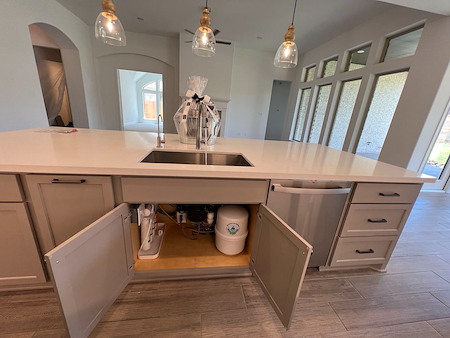
Across Texas, the water coming from the tap can change from neighborhood to neighborhood and season to season. That is why many homeowners look for a Texas whole house water filter that can smooth out the taste, protect plumbing, and keep water quality consistent. In this guide, Dreamland Water explains how municipal treatment choices and regional geology shape what you taste and feel at home, and why a well-designed, multi-stage filtration system is the most reliable path to steady, great-tasting water throughout the house.
Texas utilities blend surface water and groundwater to meet demand, especially in fast-growing areas from Houston to Austin, San Antonio, and the Dallas–Fort Worth suburbs. Those blends can raise chlorine taste after heavy rains or leave mineral scale on fixtures during dry spells. If you want a deeper look at how a whole-home setup defends against both problems, explore our whole house filtration service and see how the stages work together inside a typical residential system.
Why Texas Municipal Water Varies So Much
Texas pulls from rivers, reservoirs, and aquifers. Cities along the Gulf Coast often rely on surface water that picks up organic material during storms. Inland communities may draw more from carbonate-rich aquifers that naturally carry dissolved calcium and magnesium. When cities blend these sources, your tap can taste different week to week even if the treatment plant follows the same rules.
Growth and weather also matter. Summer demands, drought restrictions, line breaks, and scheduled hydrant flushing all push utilities to adjust disinfectant levels or blend ratios. After major rain events, water can look slightly cloudy from harmless air microbubbles or fine sediments, while the chlorine scent becomes more noticeable as plants maintain safety margins.
Chlorine and Chloramine: What You Smell and Taste
Most municipal suppliers in Texas use free chlorine or chloramine to keep water safe as it travels long distances. Heavier dosing is common after floods or main repairs because utilities must maintain a protective residual to the end of the line. That is why some homes near Galveston, the Houston metro, Corpus Christi, or the Rio Grande Valley report a stronger pool-like smell certain months of the year.
Activated carbon is the proven way to reduce this taste and odor. A properly sized carbon bed holds water long enough for chlorine or chloramine to react on the media surface and get removed before it reaches fixtures and appliances. Pairing carbon with a sediment prefilter keeps fine particles from clogging the carbon pores so performance stays strong between service intervals.
Hardness Along the Gulf Coast and Beyond: Mineral Scale Is a Hidden Cost
Groundwater across many Texas regions carries calcium and magnesium that leave white spots on glasses, chalky film on shower doors, and scale inside water heaters. Even coastal communities that rely more on surface water often supplement with wells during peak demand, which pushes hardness back up. The result is shorter appliance life, higher energy use for hot water, and that squeaky feel on skin after a shower.
For the best scale protection, many Texas homes pair whole-house carbon filtration with a dedicated softening or conditioning stage sized to the family’s water use. This combination handles both parts of the problem: the carbon improves taste and odor, while the softening component reduces hardness minerals that form scale on plumbing and fixtures.
How a Multi-Stage Whole House Filtration System Works
A residential system is engineered like a relay team. Each stage prepares water for the next so the home gets consistent performance without constant adjustments. Here is a simple layout and what each stage targets:
- Sediment prefilter: screens sand, rust, and fine grit so particles do not enter valves or clog aerators.
- Granular activated carbon: reduces chlorine taste, chemical odor, and many treatment byproducts for better flavor and aroma.
- Catalytic carbon option: boosts reduction of persistent disinfectants like chloramine found in many city systems.
- Optional softening or conditioning stage: addresses hardness minerals that leave scale on glass, tile, and heating elements.
- Polishing or post-filter: captures carbon fines or any remaining particulate before water reaches taps and appliances.
Because the sediment stage does the heavy lifting on particles, the carbon can focus on chemical taste and odor. The result is cleaner, more consistent water flowing through the entire home’s distribution pipes, including showers, laundry, and kitchen.
What Filtration Can and Cannot Solve
Whole-house systems are great at improving everyday water experience, yet realistic expectations matter. They excel at reducing chlorine taste and odor, trapping sediment, and protecting plumbing from grit. When matched with a softening solution, they also cut down on scale that damages fixtures and shortens appliance life.
They are not designed to solve every issue by themselves. Certain contaminants require specialized media or point-of-use solutions at the kitchen sink for drinking and cooking. During official boil-water notices, treatment plants advise precautions irrespective of home filtration. Always check your utility’s annual Consumer Confidence Report to understand your disinfectant type, hardness range, and any seasonal notes.
Gulf Coast utilities often raise chlorine levels after tropical storms to maintain a safe residual across long pipe networks. A carbon stage helps soften the taste spikes that follow these events. Matching media to chlorine or chloramine is key to steady flavor year-round.
Choosing the Right System for a Texas Home
System selection should fit your source water, home size, plumbing layout, and lifestyle. A single-story bungalow in Houston Heights with two baths needs a different configuration than a multi-bath home in Stone Oak or Plano. Look for properly sized media tanks, service flow rates that match simultaneous showers, and valves that support easy maintenance over many years.
If you want to see how these pieces come together in one solution, review our overview of residential whole house water filtration to understand which stages matter most for your family’s water use and local conditions.
Maintenance That Keeps Water Consistent
Even the best system needs routine service. Sediment cartridges, carbon media, and any softening component have lifespans tied to water quality and household volume. Coastal homes that face higher sediment after storms often schedule cartridge checks more frequently than homes on stable groundwater. Replacing filters and media on schedule preserves flow, protects appliances, and maintains the fresh taste you installed the system to achieve.
If you prefer professional help instead of tracking intervals yourself, Dreamland Water can set a service cadence that aligns with your city’s blending patterns and your family’s usage. You can also turn to our Texas whole house water filter experts when seasonal shifts change how your water tastes or feels.
When to Act: Common Signs Your Home Needs Help
These everyday clues suggest your water would benefit from whole-home filtration and conditioning:
- Strong chlorine smell at the tap, especially after storms or main flushing.
- White spots and film on shower doors, faucets, and dishes.
- Scale buildup at the water heater that shortens equipment life.
- Cloudiness or fine grit after heavy rain events.
- Dry skin, dull hair, or laundry that feels stiff after washing.
- Slowly clogging aerators from sediment or mineral deposits.
The Payoff: Everyday Benefits You Can Taste and See
With the right system, water tastes cleaner right from the shower and bathroom sinks, not just the kitchen. Dishes dry clearer, soap rinses faster, and fixtures look better because scale cannot take hold. Inside the walls, valves and appliances face less wear from grit and hardness, which supports longer equipment life and more dependable performance.
Choosing media designed for your Texas disinfectant type is critical, especially in neighborhoods that switch between chlorine and chloramine during the year. That match keeps flavor steady, reduces odor, and helps the system deliver what you bought it to do every day.
Get Clear, Great-Tasting Water Anywhere in Texas
Schedule your Texas whole house water filter consultation with Dreamland Water today. Our team focuses on residential whole house water filtration across the state and builds systems around your local supply, family size, and goals.
Call 832-983-7878 to get started, or talk with us about taste, odor, and hardness concerns you notice after big weather swings. When you are ready to upgrade the way your home handles Texas water, our whole house filtration service is designed to make the change simple and reliable from day one.

Experience The Difference Clean Water Can Make! Call Today For Water Purification Solutions In Katy!